
Restoring a Floodplain at Great Valley Grasslands State Park
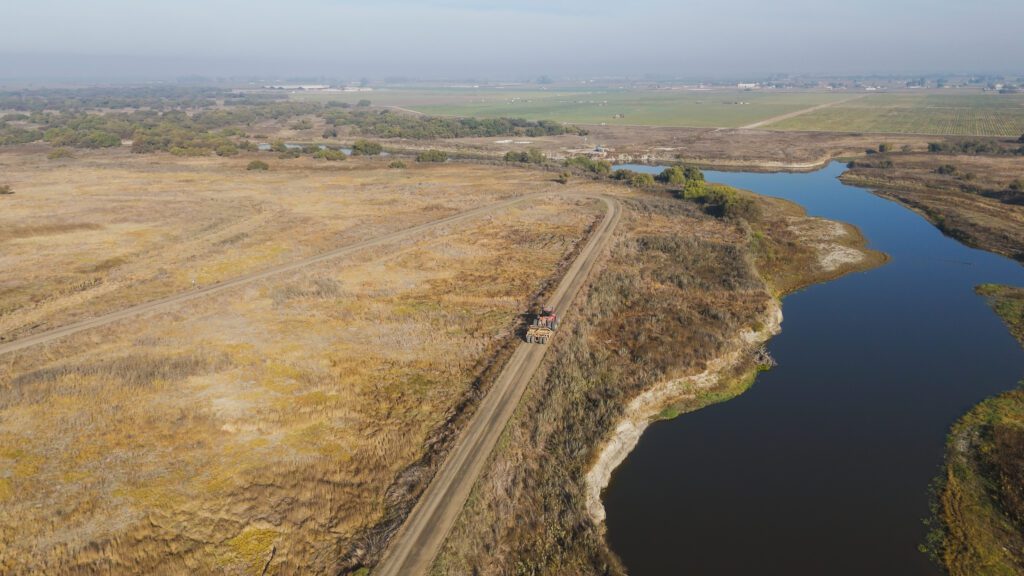
A levee built in the mid-1950s cut off a section of the San Joaquin River’s floodplain within Great Valley Grasslands State Park, in CVJV’s San Joaquin Planning Region. By the early 1980s, the levee was deemed useless, yet it remained standing for four more decades, blocking the river from spreading across its historical floodplain.
That is now changing. Last October, CVJV Management Board member River Partners and American Rivers, in partnership with California State Parks, local Tribal communities, and other partners, began removing sections of the old levee. Using heavy equipment, crews cut strategic gaps so that floodwaters can once again spread slowly and naturally across the land, restoring the San Joaquin River’s natural hydrology and renewing the ecological processes that shaped the Central Valley for millennia.
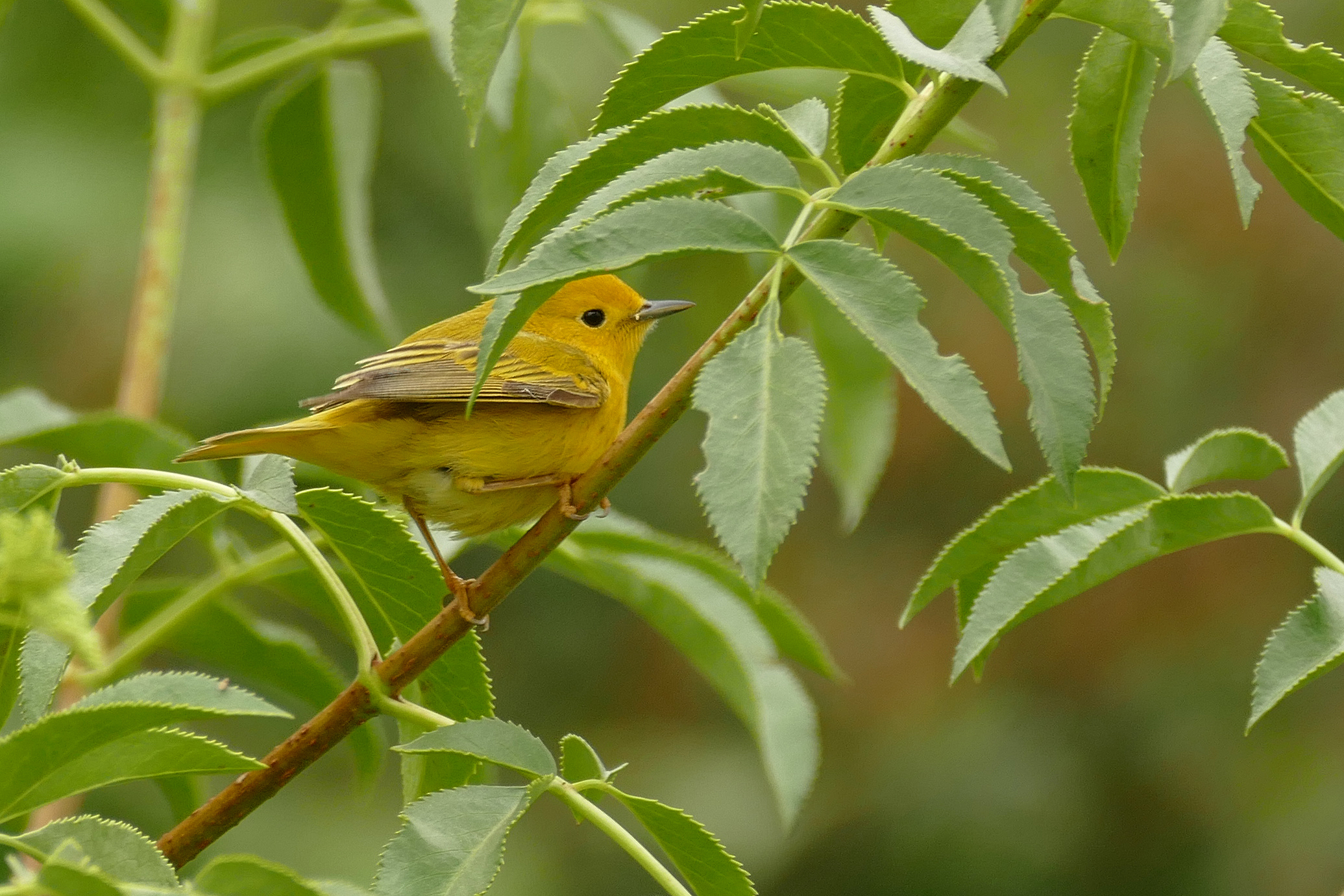
The 2,826-acre park is one of the last intact remnants of the Central Valley’s pre-settlement landscape, offering vital habitat for birds and other wildlife, including endangered Chinook salmon and fairy shrimp. Reconnecting the floodplain to the river opens up rearing habitat for endangered juvenile salmon and adds to the largest contiguous block of wetlands in California, a significant win for waterfowl and other birds that depend on the San Joaquin Valley’s wetlands and riverside woodland habitats.
In addition to improving wildlife habitat, the restored floodplain will increase flood safety and save taxpayer dollars by reducing levee maintenance costs. Read more about the project on the River Partners website.
Top image: San Joaquin River, courtesy of American Rivers and River Partners